



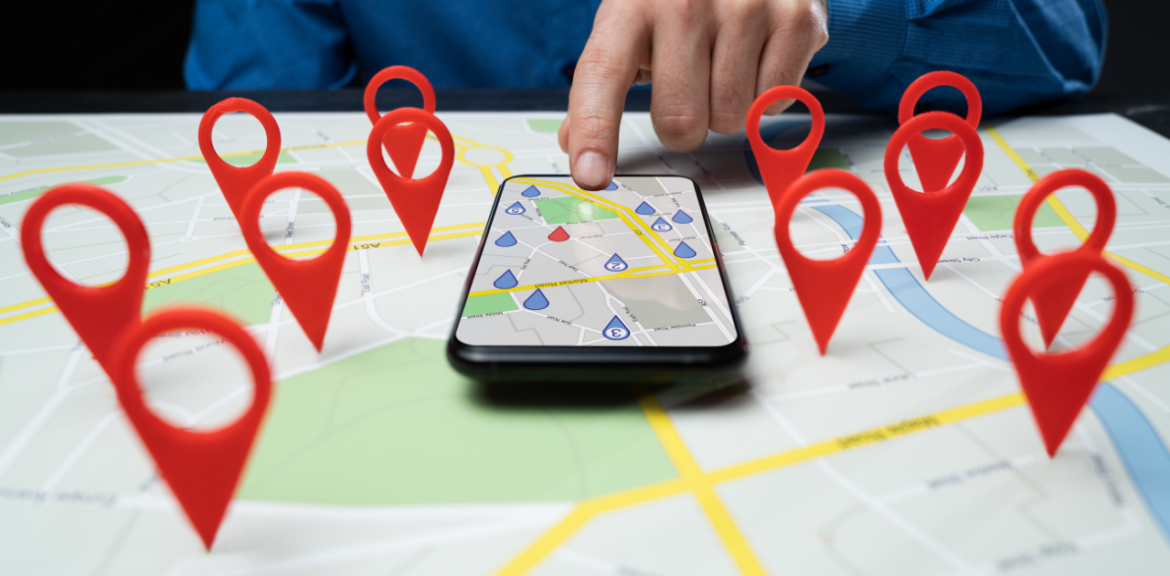

If your business serves customers in a specific city or region, showing up when nearby people search on Google isn’t optional — it’s essential. Local SEO services help brick-and-mortar shops, service providers, and multi-location businesses appear in local search results, Google Maps, and the coveted “local pack” at the top of search pages. This article breaks down what local SEO involves, why it matters, and how to choose the right approach for your business.
What Is Local SEO?
Local SEO is the process of optimizing your online presence so your business ranks higher for location-based searches like “plumber near me” or “best bakery in [city].” Unlike traditional SEO, which targets broad national or global keywords, local SEO focuses on driving foot traffic and local leads by making your business easy to find for people in your service area.
Key Components of Local SEO
- Google Business Profile optimization — accurate hours, categories, photos, and posts
- NAP consistency — matching Name, Address, and Phone number across directories
- Local citations — listings on relevant local and industry directories
- Customer reviews — generating and responding to reviews on Google and other platforms
- On-page local signals — city/region keywords in titles, headers, and content
- Local link building — earning links from community sites, local news, and partners
Why Local SEO Matters More Than Ever
Search behavior has shifted dramatically toward “near me” queries, and most of these searches happen on mobile devices from people ready to visit or call within a day. A well-optimized local presence means:
- Higher visibility in the map pack and organic local results
- More qualified leads, since local searchers already have buying intent
- Increased trust, driven by strong reviews and consistent business information
- Better ROI compared to broader, less targeted advertising campaigns
Local SEO vs. Traditional SEO
While traditional SEO builds authority across an entire industry, local SEO narrows that focus geographically. Both strategies can — and often should — work together, especially for businesses with physical locations that also want strong organic visibility.
How to Get Started with Local SEO
- Claim and fully verify your Google Business Profile
- Audit your existing citations for consistency
- Build a steady stream of authentic customer reviews
- Create location-specific landing pages if you serve multiple areas
- Track rankings and leads to measure progress over time
Working with an experienced, white-hat SEO team ensures these steps are executed correctly and ethically, avoiding shortcuts that can lead to penalties down the line.
Frequently Asked Questions
Q: How long does local SEO take to show results?
A: Most businesses see measurable improvements in 3–6 months, though timelines vary based on competition and starting point.
Q: Is local SEO only for businesses with a physical storefront?
A: No. Service-area businesses without a public office, such as plumbers or electricians, benefit just as much from local SEO.
Q: How is local SEO different from PPC advertising?
A: PPC delivers instant visibility through paid ads, while local SEO builds sustainable, long-term organic rankings. Many businesses use both together for the best results.
Q: Do online reviews really affect local rankings?
A: Yes. Review quantity, quality, and recency are among the strongest ranking factors for local search results.
Ready to grow your local visibility? A tailored local SEO strategy can put your business in front of the customers actively searching for what you offer.
For more such update, follow us on: